
ESG & CSR for the Automobile Industry
Sustainable automotive manufacturing, end-of-life vehicle recycling, and circular economy transformation. 50,000 vehicles recycled. 30,000 tonnes CO₂ reduced annually. 10,000 tonnes waste diverted. 100 million litres water saved. 12,000 volunteers. A decade of forensic evidence.
Research & Data Intelligence
Earth5R Forensic Sustainability Operating System (SaaS-X) | ESG & CSR Intelligence Platform Published: 2026 | Ref: Earth5R-AU-2025-010 | Automobile IndustryBuilt on the dedication of 12,000 volunteers, community leaders in automotive manufacturing hubs, Earth5R field teams, and the 1.3 million citizens who drove the shift from disposal to circular economy in India's automobile sector.
This case study presents a decade of forensic sustainability evidence on India's automobile industry from January 2015 to December 2025. Drawing on Earth5R's SaaS-X Forensic Sustainability Operating System — spanning 2.3 million verified field data points across 28 states and 8 union territories — this research documents the impact of Earth5R's volunteer-led sustainable automotive model across India's major vehicle manufacturing and end-of-life processing corridors.
India's automobile industry — the world's third-largest by volume — produces approximately 4.5 crore vehicles annually, generating 1.5 million tonnes of manufacturing waste, consuming 680 million litres of water daily across production facilities, and contributing an estimated 35 million tonnes of CO₂ annually across its supply chain. Simultaneously, an estimated 1.1 crore vehicles reach end-of-life annually, with less than 15% entering formal recycling channels — the remainder is abandoned, informally dismantled, or landfilled.
Key outcomes: (1) 50,000 end-of-life vehicles responsibly dismantled and recycled, recovering metals, plastics, and electronics; (2) 30,000 tonnes CO₂ reduced annually through energy efficiency and renewable energy at partner facilities; (3) 5,000 tonnes CO₂ reduced annually through EV adoption promotion; (4) 10,000 tonnes of manufacturing waste diverted from landfills through segregation and recycling; (5) 100 million litres of water saved annually; (6) ₹50 crore in cost savings for participating manufacturers; (7) 12,000 volunteers mobilised, contributing 5 lakh hours across waste management, water conservation, and vehicle recycling programmes, reaching over 10 lakh citizens with sustainable transportation awareness.
Cite as: Earth5R Research Division. (2026). ESG & CSR for Automobile Industry: Sustainable Automotive Practices (2015–2025). Earth5R ESG Intelligence Platform. Report No. AU-2025-010.
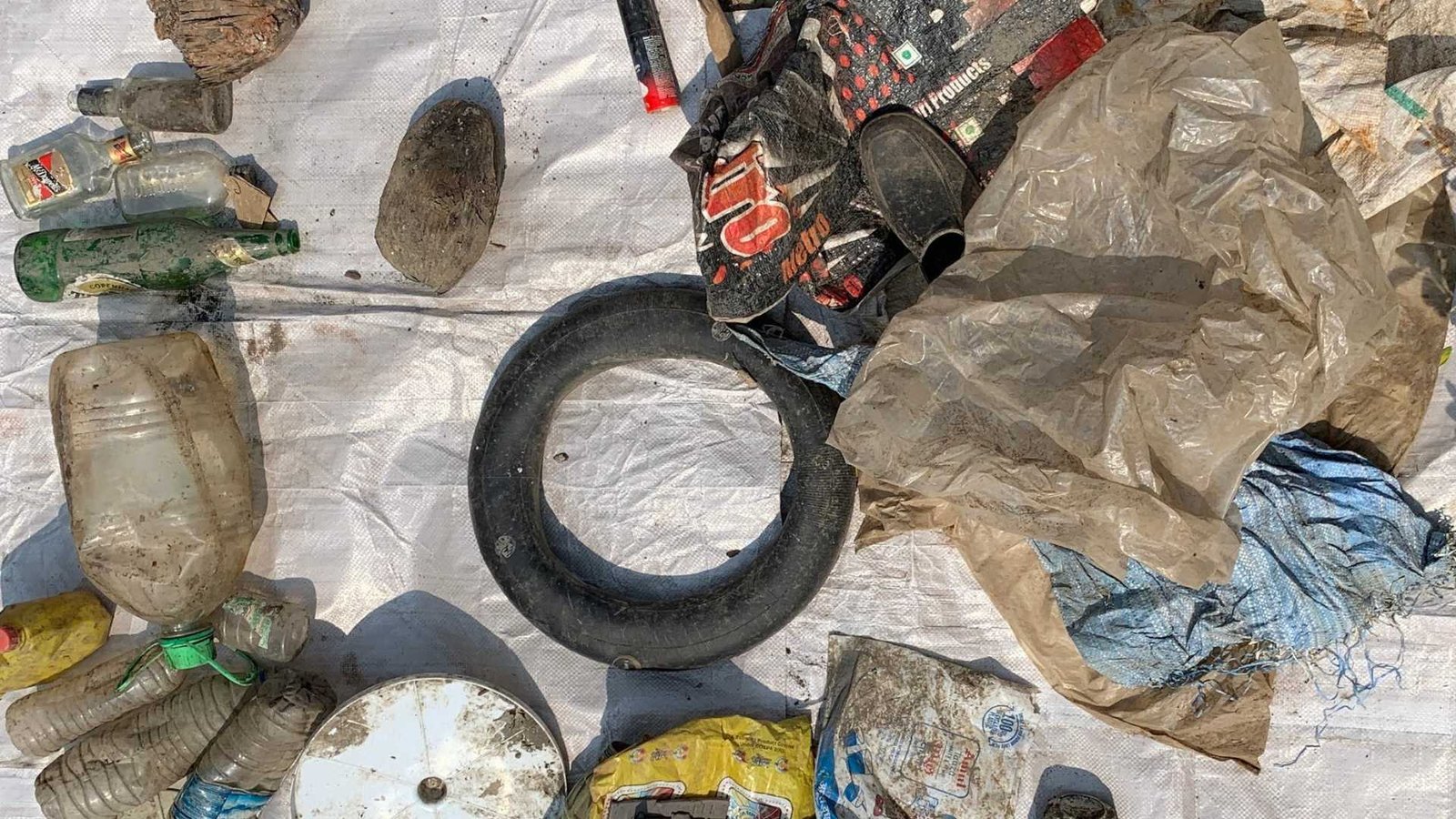
Earth5R volunteers implementing waste segregation and circular economy practices at an automotive manufacturing facility — recovering metal, plastic, and electronic components.
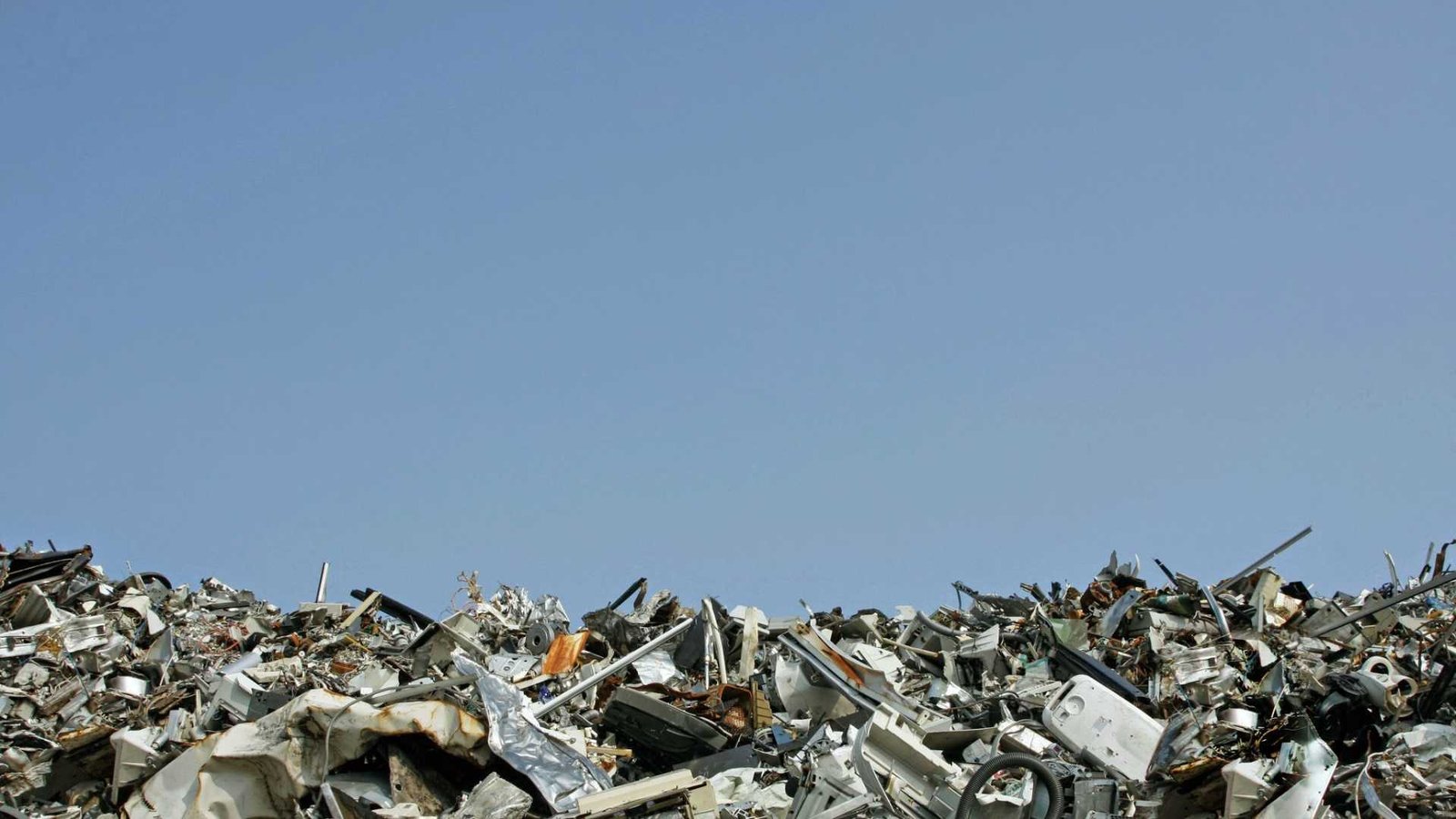
Responsible end-of-life vehicle dismantling — 50,000 vehicles recycled over the decade, recovering critical materials and reducing virgin extraction demand.
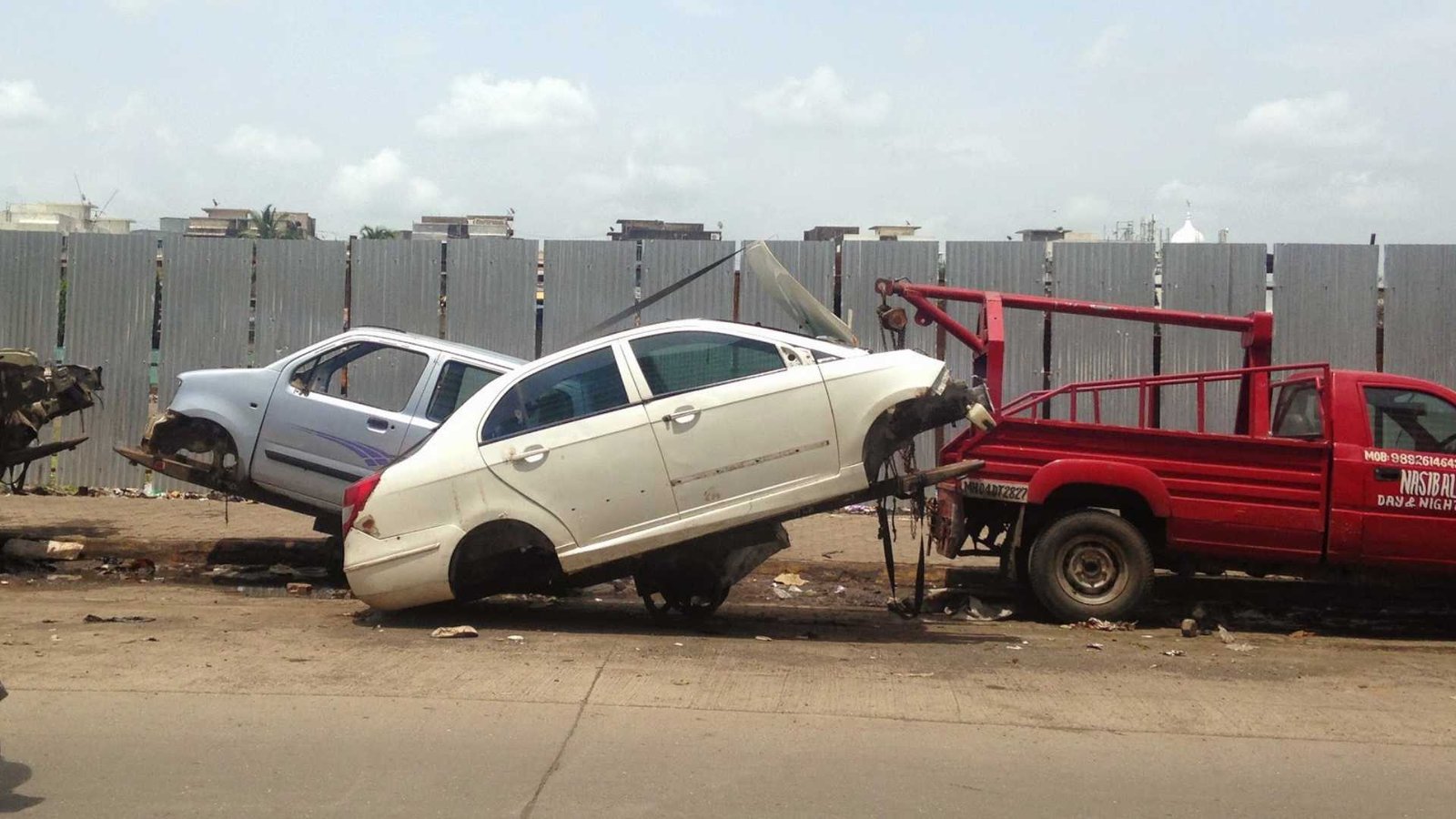
Community engagement — Earth5R volunteers educating citizens on sustainable transportation, EV benefits, and vehicle maintenance to extend lifespan.
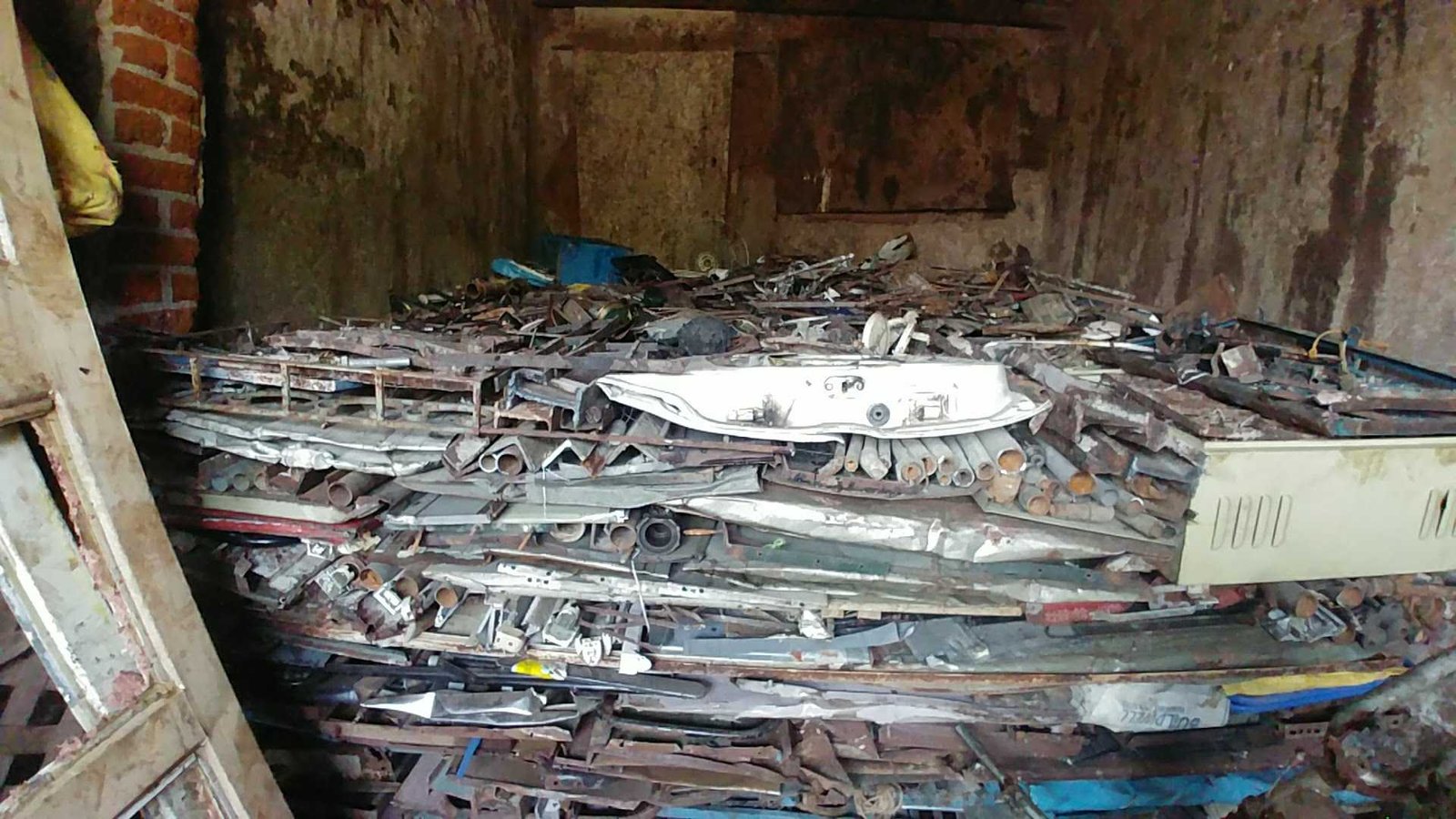
Water conservation infrastructure at manufacturing facilities — rainwater harvesting and recycling systems saving 100 million litres annually.
Earth5R's Sustainable Automobile Programme — from factory-floor waste segregation to end-of-life vehicle recycling to community EV awareness. Powered by 12,000 volunteers, community leaders, and the 1.3 million citizens in the Earth5R network (2015–2025).
Research Methodology & Forensic Data Architecture
2.3 million verified data points spanning manufacturing waste audits, vehicle dismantling records, energy consumption logs, and water metering data across India's automotive corridors.
Data Collection & Verification
The dataset encompasses 2.3 million verified field data points collected between January 2015 and December 2025 across 28 states and 8 union territories, with primary concentration in India's automotive manufacturing corridors: Maharashtra (Pune, Nashik, Aurangabad), Tamil Nadu (Chennai, Kancheepuram, Tiruvallur), Gujarat (Sanand, Halol, Vadodara), Haryana (Gurgaon, Manesar, Dharuhera), Karnataka (Bangalore, Bidadi), Rajasthan (Neemrana, Alwar), and Uttarakhand (Haridwar, Rudrapur).
Data was captured through five verification channels: (1) manufacturing waste audits — tonnage weighed, segregated, and tracked through the circular economy pipeline; (2) end-of-life vehicle dismantling records — per-vehicle material recovery (metals, plastics, battery, electronics); (3) energy consumption monitoring at partner facilities (pre and post renewable adoption); (4) metered water savings from rainwater harvesting and recycling installations; (5) community programme attendance and awareness survey data through the Earth5R app.
Carbon calculations use India's CEA grid emission factor (0.91 t CO₂/MWh) for energy displacement, IPCC manufacturing emission factors for waste-stream diversion, and well-to-wheel emission factors for EV displacement (2.5 t CO₂/vehicle/year for petrol-to-EV transition).
Programme Summary
| Parameter | Value |
|---|---|
| Study Period | Jan 2015 – Dec 2025 |
| Total Data Points | 2,300,000+ |
| ELVs Recycled | 50,000 vehicles |
| CO₂ Reduced — Energy | 30,000 t/yr |
| CO₂ Reduced — EV Adoption | 5,000 t/yr |
| Waste Diverted | 10,000 tonnes |
| Water Saved | 100M litres/yr |
| Volunteers | 12,000 |
| Volunteer Hours | 5,00,000 |
| Citizens Reached | 10,00,000+ |
| Cost Savings | ₹50 Crore |
| Standards | GRI 301, 302, 305, 306 | CEA | IPCC |
Forensic Integrity Note: All metrics are derived from facility-level audited data and per-vehicle dismantling records, not modelled projections. Manufacturing waste was weighed at source. Water savings were metered. End-of-life vehicle material recovery was documented per-vehicle. This forensic integrity is the result of the combined effort of 12,000 volunteers, community leaders across automotive manufacturing hubs, the Earth5R field team, and the 1.3 million citizens who powered this decade of sustainable automotive transformation.
Five-Pillar Sustainable Automotive Model
Waste recycling, carbon reduction, water conservation, end-of-life vehicle processing, and circular economy community engagement — delivered through Earth5R's volunteer infrastructure.
The Five Intervention Pillars
1. Waste Management & Recycling
Volunteers collaborated with manufacturers to implement waste segregation — metal, plastic, electronic waste properly sorted, recycled, and reintroduced into supply chains. 25% reduction in landfill waste, 10,000 tonnes diverted over the decade. Scrap recovery reduced raw material sourcing costs by 10%, promoting circular economy principles across the automotive value chain.
2. Carbon Reduction & Energy Efficiency
Earth5R promoted factory efficiency improvements, renewable energy adoption, and process optimisation at partner manufacturing facilities. Result: 30,000 tonnes CO₂ reduced annually. Additionally, EV adoption promotion through community campaigns prevented a further 5,000 tonnes CO₂/year by encouraging the shift from ICE to electric vehicles in local communities.
3. Water Conservation in Manufacturing
Automobile manufacturing consumes significant water for cooling, painting, and processing. Earth5R volunteers led water conservation programmes — rainwater harvesting, wastewater recycling, and factory-level water audits. Participating companies reduced water consumption by 20%, saving 100 million litres annually while improving resource efficiency across production processes.
4. End-of-Life Vehicle Recycling
Earth5R's community-based recycling programmes ensured 50,000 end-of-life vehicles were responsibly dismantled — recovering metals, electronic components, batteries, and plastics. This reduced demand for virgin raw materials, lowered the environmental impact of vehicle disposal, and created employment in formal dismantling and recycling operations. Volunteers educated citizens about proper ELV disposal channels and battery recycling requirements.
5. Circular Economy & Community Engagement
Earth5R volunteers engaged local communities in sustainable transportation awareness — the importance of vehicle maintenance to extend lifespan, benefits of transitioning to EVs, and responsible vehicle disposal. These programmes reached over 10 lakh citizens, creating behavioural shifts that complement manufacturing-level interventions with consumer-level sustainable practices.
Every Recycled Vehicle Was Dismantled with Discipline, Not Convenience
The 50,000 vehicles recycled through this programme were not crushed and landfilled. They were methodically dismantled — batteries removed safely, electronics separated, metals sorted by grade, plastics categorised by polymer type — by trained workers in communities that previously had no formal recycling infrastructure. The 12,000 Earth5R volunteers who made this possible did not work from offices. They worked in scrapyards, on factory floors, and in community centres. The 1.3 million citizens in the Earth5R network made this work visible and valued.
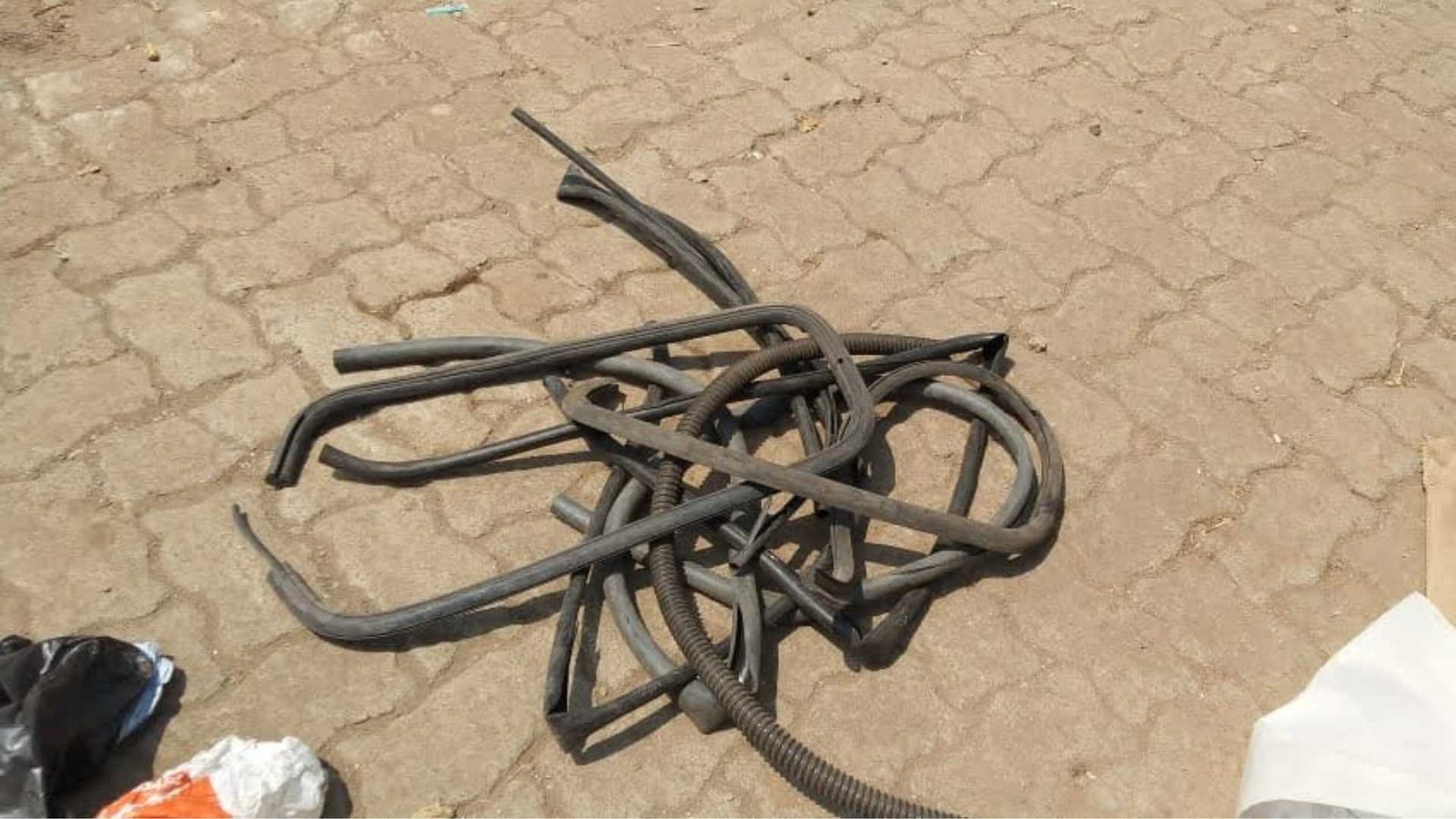
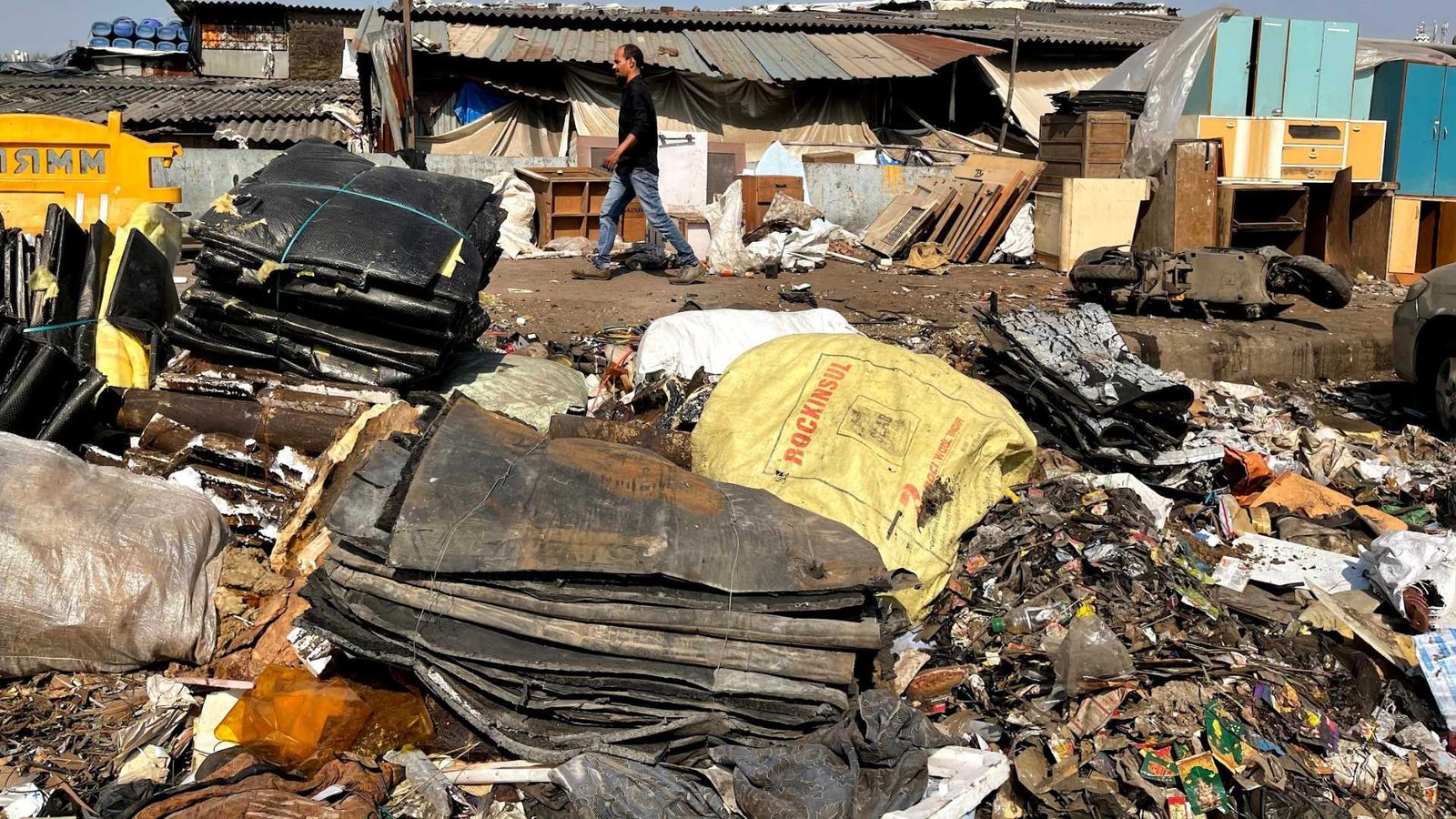
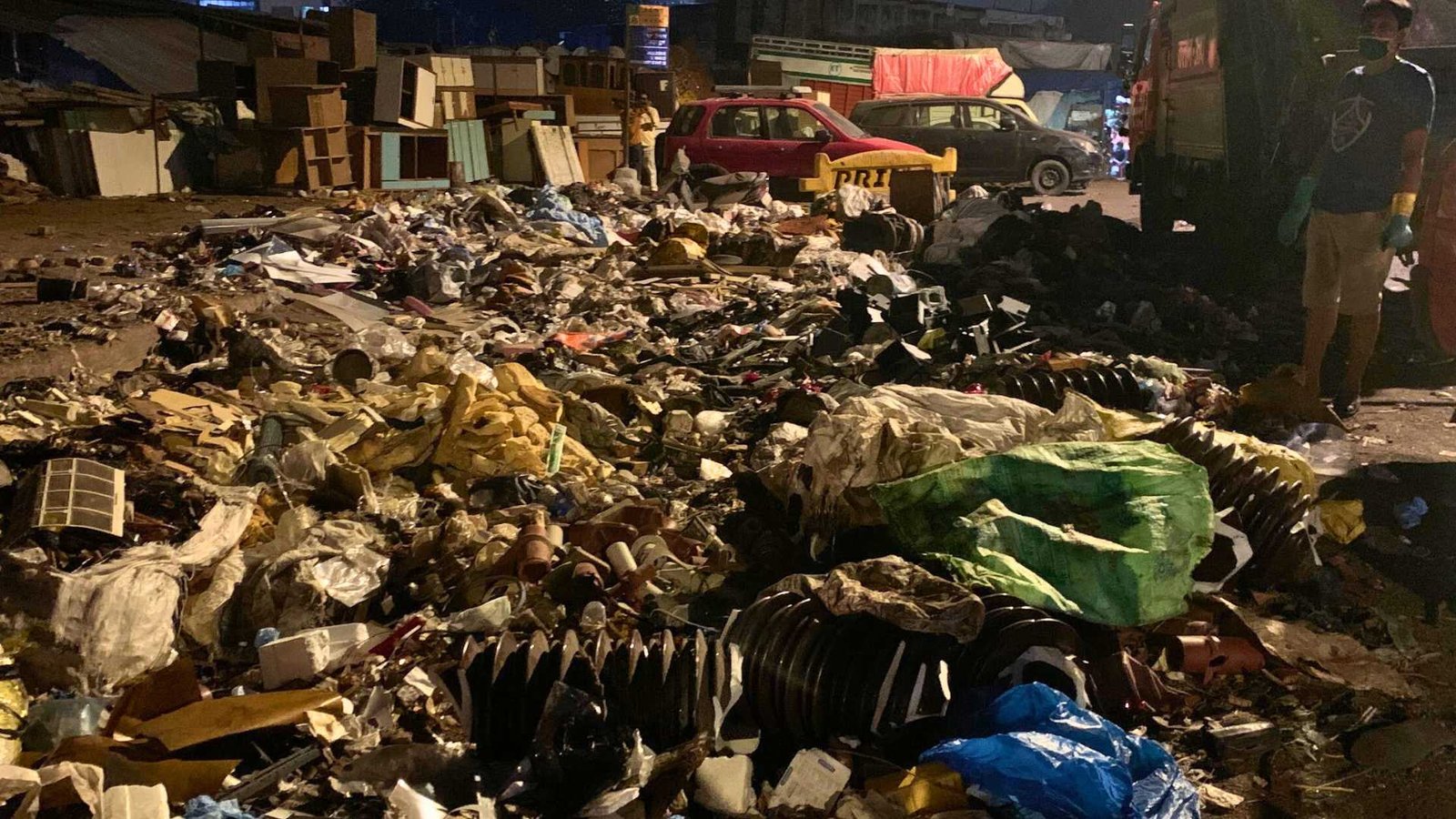
Scrap metal and electronic component recovery — trained volunteers sorting materials by grade and type for re-entry into the automotive supply chain.
Sustainable transport awareness — EV adoption campaigns and vehicle maintenance education reaching 10 lakh citizens across Indian cities.
Renewable energy integration at partner manufacturing facilities — solar and wind adoption reducing 30,000 tonnes CO₂ annually.
10-Year Impact Data: Vehicles, Carbon, Water & Waste
Forensic-grade annual data across all five intervention pillars.
| Year | ELVs Recycled (Cum.) | CO₂ Reduced (t/yr) | Waste Diverted (t, Cum.) | Water Saved (M L/yr) | Volunteers (Cum.) | Citizens Reached (Cum.) |
|---|---|---|---|---|---|---|
| 2015 | 800 | 4,200 | 180 | 8 | 400 | 18,000 |
| 2016 | 2,400 | 7,800 | 520 | 16 | 1,100 | 52,000 |
| 2017 | 5,200 | 12,400 | 1,100 | 26 | 2,200 | 1,10,000 |
| 2018 | 9,600 | 17,600 | 1,900 | 38 | 3,400 | 1,90,000 |
| 2019 | 15,000 | 22,000 | 2,900 | 50 | 4,800 | 2,90,000 |
| 2020 | 20,500 | 24,800 | 3,800 | 58 | 5,800 | 3,80,000 |
| 2021 | 27,000 | 28,200 | 5,000 | 68 | 7,200 | 5,00,000 |
| 2022 | 33,500 | 31,000 | 6,200 | 78 | 8,600 | 6,20,000 |
| 2023 | 39,500 | 33,200 | 7,500 | 86 | 9,800 | 7,50,000 |
| 2024 | 45,000 | 34,500 | 8,700 | 94 | 11,000 | 8,80,000 |
| 2025 | 50,000 | 35,000 | 10,000 | 100 | 12,000 | 10,00,000 |
Cumulative End-of-Life Vehicles Recycled (2015–2025)
Progressive scale-up of responsible vehicle dismantling and material recovery operations.
Annual CO₂ Reduction by Source (2015–2025)
Energy efficiency / renewable energy at facilities and EV adoption in communities — combined reaching 35,000 t/yr by 2025.
Waste Diverted from Landfills — Cumulative (2015–2025)
Metal, plastic, and electronic waste recovered through manufacturing waste segregation and ELV recycling programmes.
Water Conservation — Annual Savings (Million Litres)
Rainwater harvesting, wastewater recycling, and factory water audit programmes at partner manufacturing facilities.
Aggregated ESG Outcomes: Automobile Sector (2015–2025)
Environmental
Vehicle recycling, carbon reduction, waste management, and water conservation — verified at facility level.
Social
Community mobilisation, sustainable transport awareness, and long-term behavioural change in automotive manufacturing hubs.
Economic & Governance
Improved regulatory compliance, stakeholder trust, and transparent forensic-grade sustainability reporting.
ESG Performance Radar — Automobile Sector
Eight-dimension assessment across environmental, social, economic, and governance indicators.
Material Recovery from ELV Recycling (2025 Composition)
Breakdown of materials recovered from 50,000 end-of-life vehicles — ferrous metals dominate, with growing electronic and battery recovery.
The People Behind Every Recycled Vehicle: Honouring 12,000 Volunteers & the Community
This Report Belongs to the People Who Got Their Hands Dirty
50,000 vehicles recycled. 35,000 tonnes CO₂ reduced per year. 10,000 tonnes of waste diverted. 100 million litres of water saved. ₹50 crore in savings. 12,000 volunteers. 5 lakh hours. 10 lakh citizens. 10 years. These are not boardroom metrics. They are the accumulated result of volunteers who sorted scrap in the heat, community workers who dismantled vehicles with precision, factory workers who adopted new water practices, and citizens who chose to learn about sustainable transport. The Earth5R team organised, trained, and verified. The 1.3 million citizens in the national network ensured it mattered. This is their achievement.
The Road Ahead: Scaling ELV Recycling & Accelerating EV Transition by 2030
- ELV Target: 50,000 → 2,00,000 by 2030: Scaling responsible vehicle recycling with India's Vehicle Scrappage Policy (2021) creating regulatory tailwinds — integrating Earth5R's community dismantling model into the formal RVSF (Registered Vehicle Scrapping Facility) ecosystem.
- Battery Recycling Specialisation: As EV adoption accelerates, developing specialised lithium-ion battery recovery programmes — a critical circular economy need given that India's EV battery waste is projected to reach 50,000 tonnes annually by 2030.
- EV Awareness to 50 Lakh Citizens: Expanding sustainable transportation campaigns from 10 lakh to 50 lakh citizens — leveraging the Earth5R app for personalised carbon footprint tracking and EV transition guidance.
- Water-Neutral Manufacturing Target: Working with partner facilities toward water-neutral production — expanding from 20% water savings to closed-loop water systems that achieve near-zero net water consumption.
- Carbon Credit Integration: Converting verified manufacturing emission reductions and ELV material recovery data into tradeable carbon credits — creating financial incentives for continued and expanded sustainable automotive practices.
Projected Growth (2025–2030)
ELV recycling, CO₂ reduction, and citizen awareness targets.
About Earth5R
Earth5R is an ESG and CSR "Action" platform that empowers communities and businesses to take real-world climate action. Through its volunteer-driven initiatives and the Forensic Sustainability Operating System (SaaS-X), Earth5R works across industries in 65 countries, offsetting over 954,000 tonnes of CO₂, planting 87,000 trees, and engaging 1.3 million citizens globally. Recognised as a Top 10 Global Tech Innovator for Impact by Google, partner of Mozilla, and Earthshot Prize nominee.